
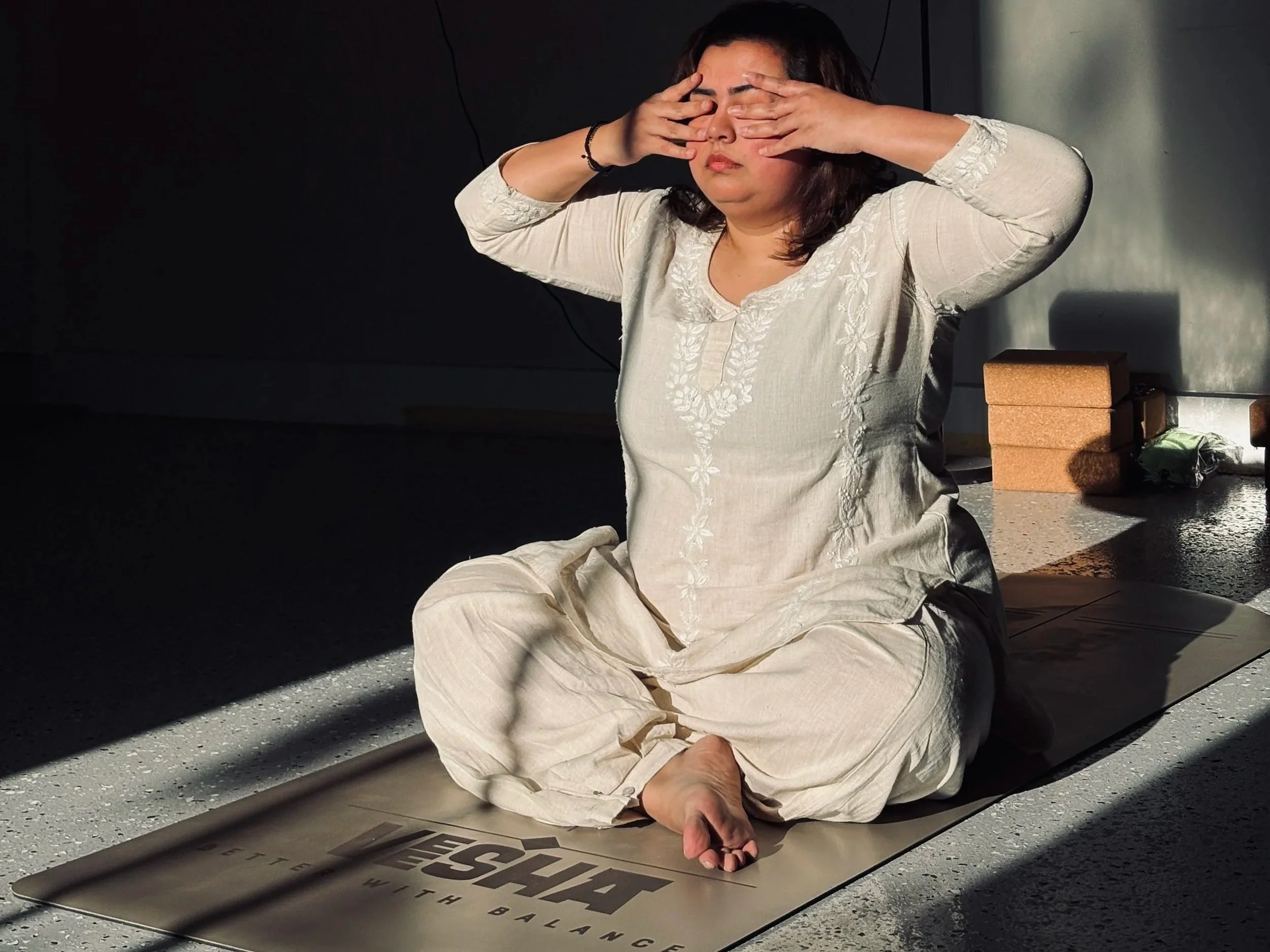
“Veesha is the intersection of Strength meets stillness. We sit between the two worlds of traditional yoga asanas and modern life’s accessible spirituality.
At Veesha, we believe true well-being comes from balance. In a world that often pulls you in every direction, we offer a space to slow down, reconnect, and restore. This is more than a practice. It’s a way to return to yourself
This is why our classes are designed to
Build Strength with intention
Calm your nervous system
Create space to breathe & reset
What are the eight limbs of yoga?
Yama (Moral Discipline)
The Yamas are ethical restraints or moral disciplines that guide our interactions with others and the world around us. They include non-violence (ahimsa), truthfulness (satya), non-stealing (asteya), celibacy or right use of energy (brahmacharya), and non-possessiveness (aparigraha). While practicing yoga, Yamas remind us to approach our mat and life with kindness, honesty, and humility.
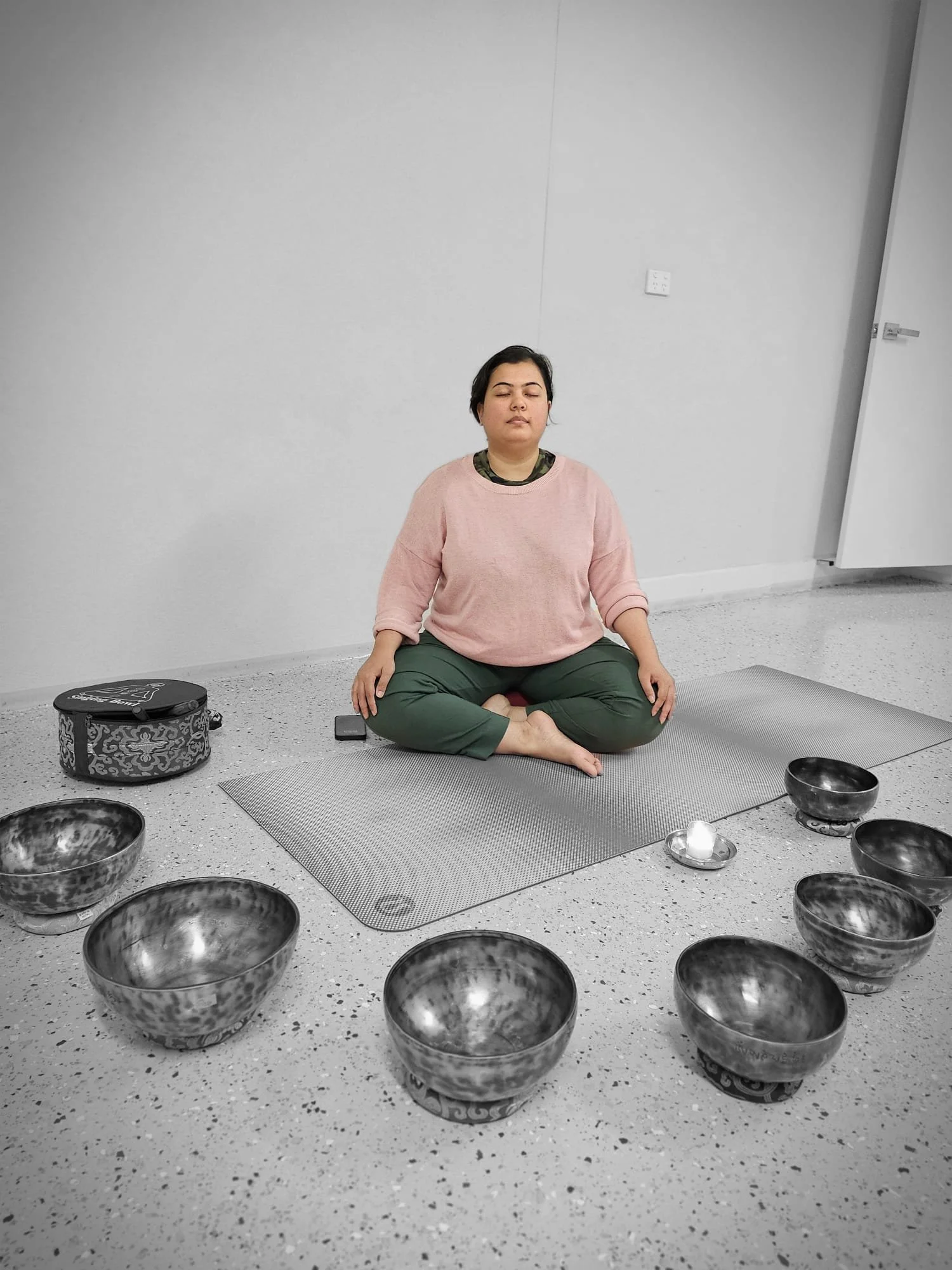
Niyama (Personal Observances)
Niyamas are internal disciplines and positive duties towards oneself. They include cleanliness (shaucha), contentment (santosha), discipline (tapas), self-study (svadhyaya), and surrender to a higher power (ishvarapranidhana). When practicing yoga, Niyamas help cultivate a respectful and mindful attitude.
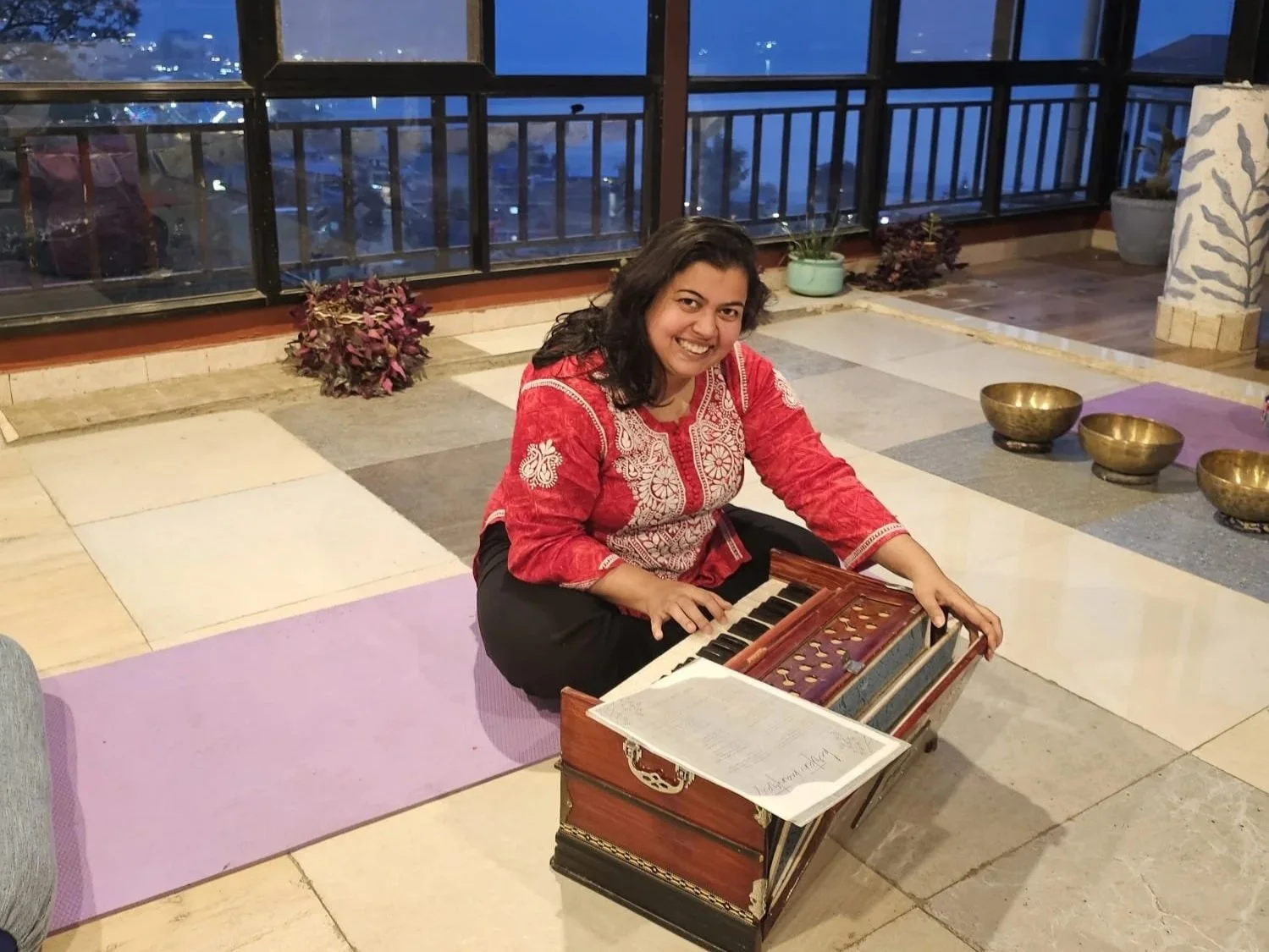
Asana (Yoga Poses)
Asana is the physical aspect of yoga - down to each separate pose and movement we perform. Originally intended to prepare the body for prolonged meditation, asanas today help us build strength, flexibility, and balance. Practicing asanas connects us with our physical being, teaching us body awareness and encouraging a union of body and mind. Through regular asana practice we lay the groundwork for deeper limbs of yoga by developing focus, patience, and discipline in our movements.
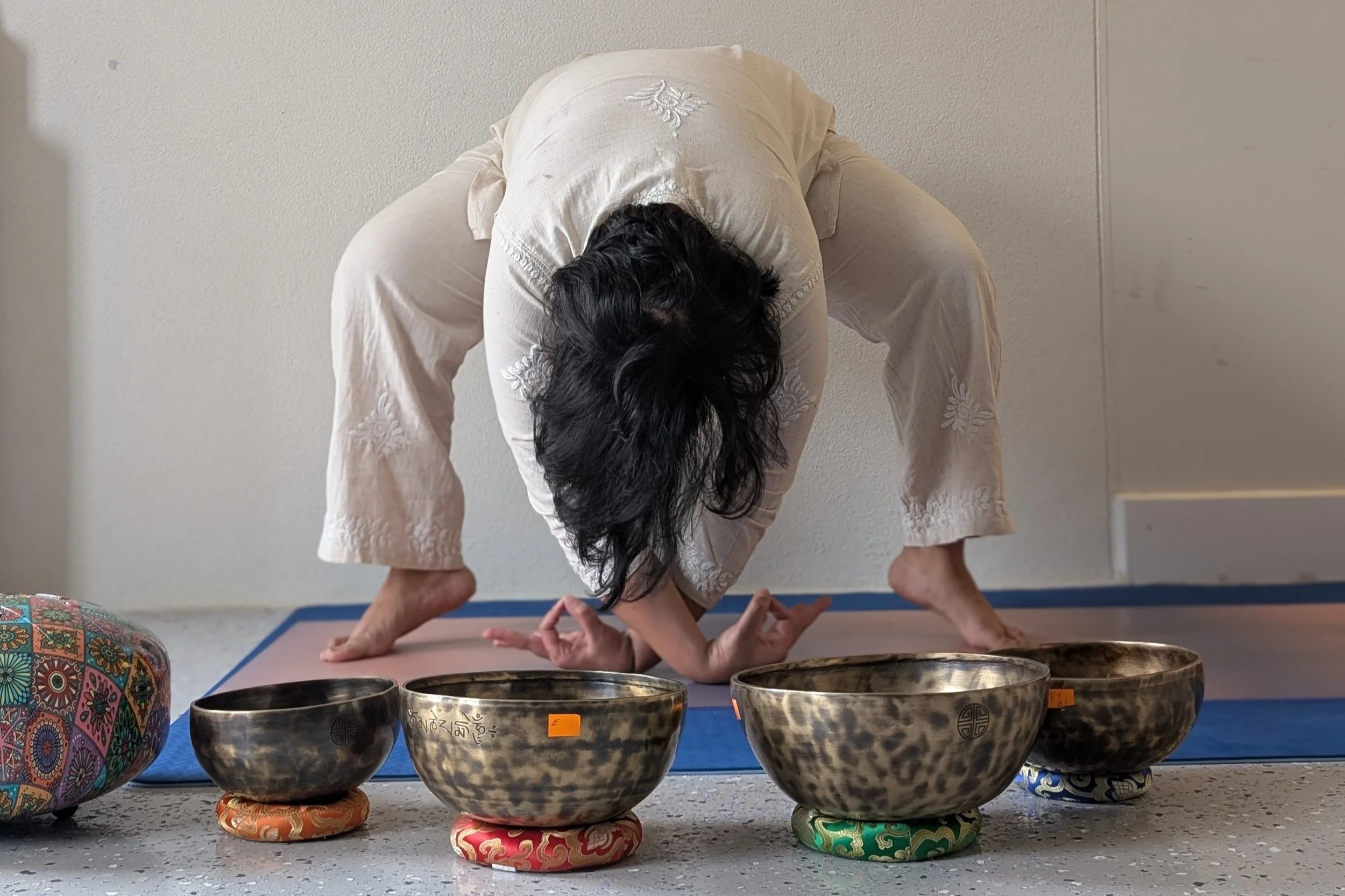
Pranayama (Meditation)
Pranayama refers to the control and regulation of breath, which is considered the life force (prana). Breath is central to yoga practice - it anchors us in the present and helps shift our awareness inwards into our body. During yoga sessions, pranayama techniques like deep belly breathing or alternate nostril breathing enhance our ability to calm the nervous system, increase energy, and maintain mental clarity. It's the bridge between the outer physical body and the inner mental wellbeing.
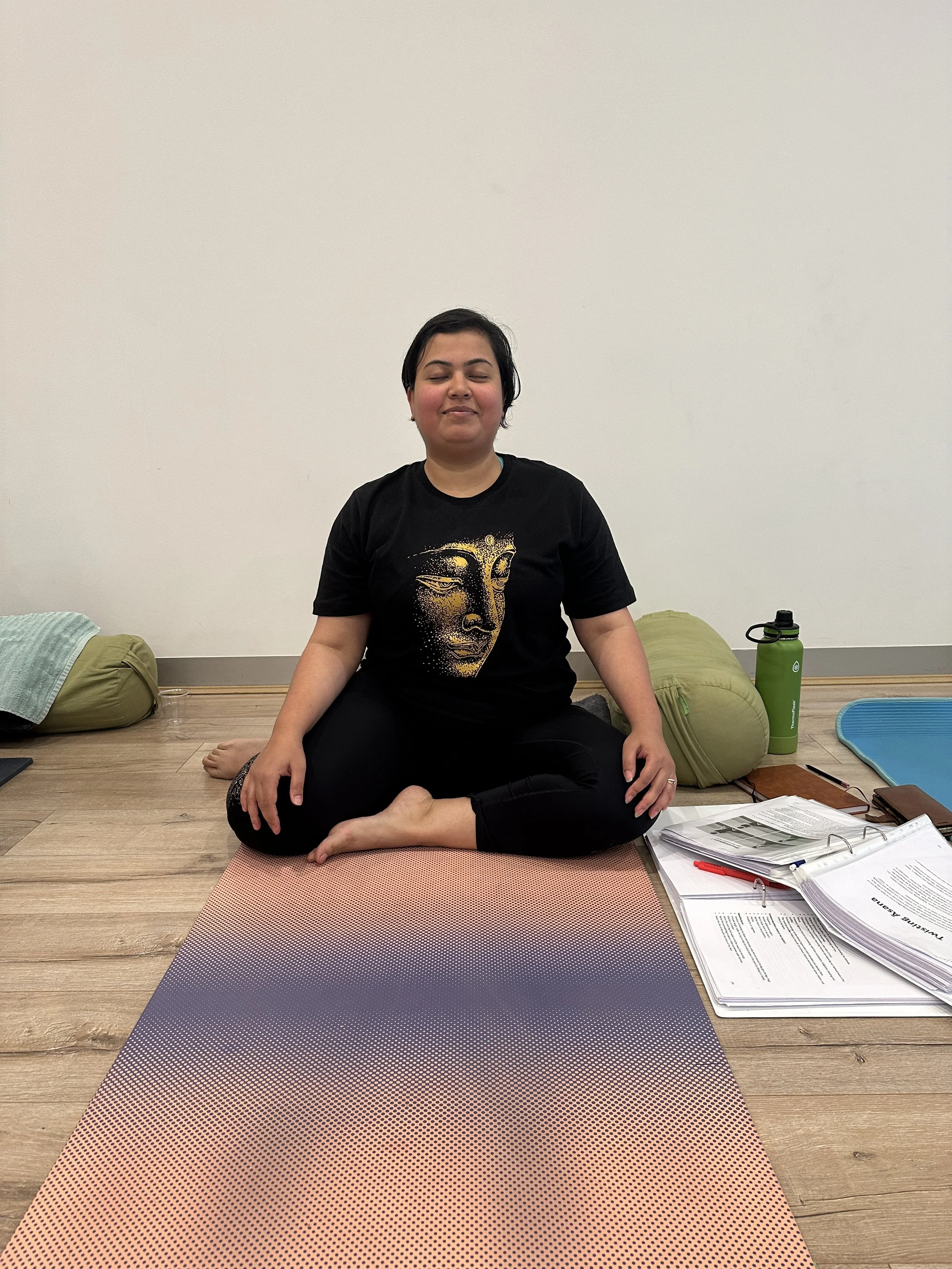
Dharana (Concentration)
Dharana is the practice of focused concentration on a single point - whether it's the breath, a mantra, or a physical sensation. In yoga, Dharana is evident when we hold our attention on the alignment of a pose or the rhythm of our breath. This single-pointed focus helps quiet the mental chatter and builds the mental strength needed for deeper meditation. It’s an essential step in linking the physical with the meditative aspects of yoga.
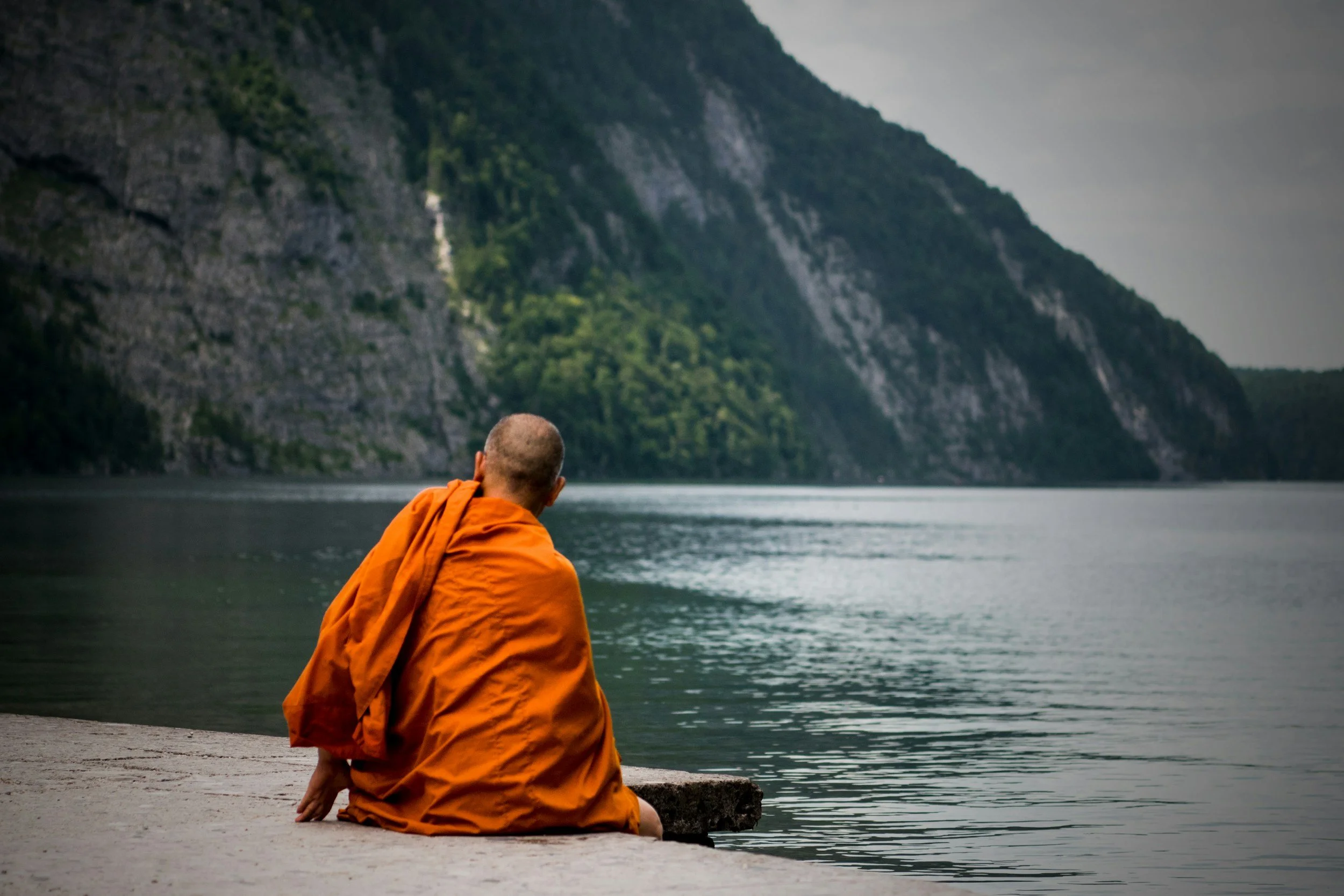
Dhyana (Deep - Meditation)
Dhyana is a state of uninterrupted meditation or deep contemplation. It extends from Dharana but involves a more effortless flow of awareness. In our yoga class, this might happen during a seated meditation or in savasana when we become fully absorbed in the moment. Over time, cultivating Dhyana helps us experience inner peace and mental stillness - not just during practice, but throughout daily life.
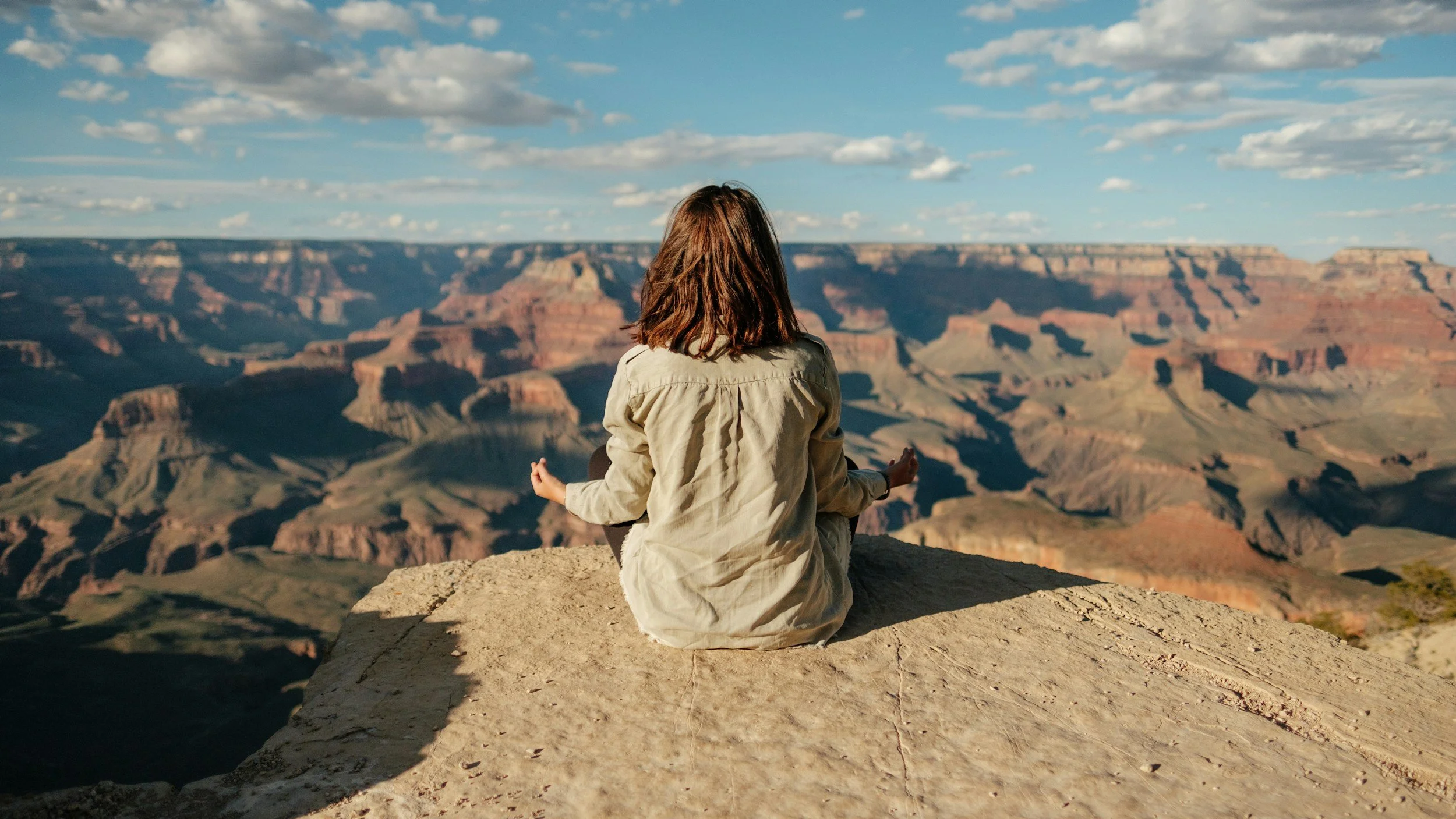
Samadhi (Union or Bliss)
Samadhi is the ultimate goal of the yogic path - complete absorption, unity with the divine, or a blissful state of consciousness. Though rare and profound, glimpses of Samadhi can occur in deep meditation or moments of total presence. In yoga practice, it represents the merging of body, mind, and spirit. While it’s not something we can force, the consistent practice of all other limbs prepares us to experience these transcendent moments of connection and clarity.

“Yoga is the practice of quieting the mind”